
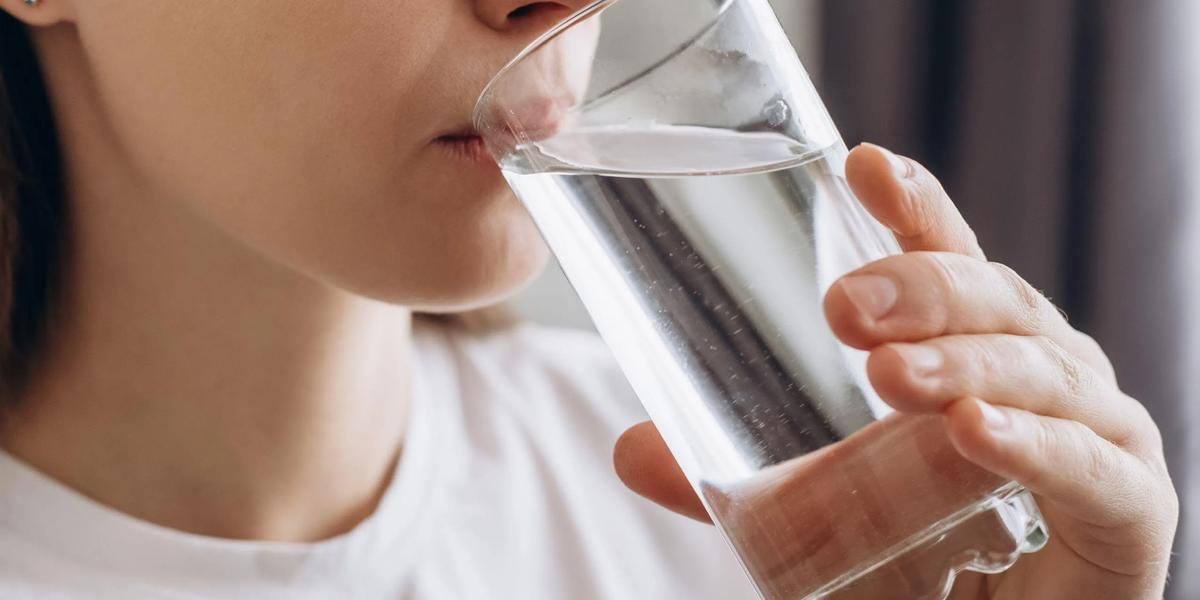
Hydration & UTI Prevention: The Science Behind the "Drink More Water" Recommendation
How Hydration Impacts the Urinary Tract
Your urinary system is designed to flush out waste and unwanted bacteria. When you are properly hydrated, your body produces enough urine to regularly clear the urinary tract, reducing the chance for bacteria to settle and multiply.
When fluid intake is low, urine becomes more concentrated and less frequent. This creates an environment where bacteria can linger longer in the bladder, increasing the risk of infection.
In simple terms, water helps keep everything moving. Without it, the system slows down.
The Flushing Effect Explained
Every time you urinate, you are actively helping your body remove bacteria that may have entered the urinary tract. Frequent urination reduces the time bacteria have to attach to the bladder walls and grow.
This is why doctors often recommend increasing water intake at the first sign of UTI symptoms. It is not just about comfort, but about physically helping the body clear out harmful microorganisms.
Studies have shown that individuals who increase their daily water intake tend to experience fewer recurrent UTIs, particularly those who were previously underhydrated.
Dilution Matters More Than You Think
Hydration also affects the composition of urine. Well-hydrated urine is more diluted, which can make it less irritating to the bladder lining.
Concentrated urine, on the other hand, can irritate the urinary tract and create conditions that make it easier for bacteria to thrive. This irritation can sometimes mimic or worsen the discomfort associated with UTIs.
By simply drinking enough water throughout the day, you help maintain a more balanced internal environment.
Why Water Alone Is Sometimes Not Enough
While hydration is essential, it is not always sufficient on its own, especially for individuals prone to recurrent infections. Some bacteria have the ability to adhere to the urinary tract lining, making them harder to flush out completely.
This is where additional support can play a role. Ingredients like cranberry extract have been studied for their ability to help prevent bacteria from sticking to the urinary tract walls, supporting the body’s natural defense mechanisms.
Products such as CranEaze Urinary Tract Support build on this concept by combining targeted ingredients designed to complement hydration. Instead of replacing healthy habits, they work alongside them, offering an extra layer of support for maintaining urinary balance.
Building a Consistent Hydration Routine
Drinking more water is not about occasional effort but about consistency. Spacing your water intake throughout the day helps maintain steady urine production and keeps the urinary system active.
Simple habits, like starting your morning with a glass of water or keeping a bottle nearby, can make it easier to stay hydrated without overthinking it. Listening to your body’s signals and responding before you feel dehydrated is key.
Pairing hydration with mindful habits, such as not delaying bathroom visits and maintaining good hygiene, creates a stronger foundation for prevention.
Understanding the science behind hydration makes the advice feel less like a cliché and more like a practical, evidence-based strategy. When combined with supportive measures and consistent routines, it becomes one of the most effective ways to care for your urinary health over time.
Disclaimer: This content is for informational purposes only and should not replace professional medical advice.